


Self Love Through Design | Why Your Environment Should Reflect Who You Are


You may not be able to name it at first. You just feel slightly unsettled, overstimulated or drained. February invites us into a deeper conversation about love. Not romantic love or performative love, but self-love that begins with expression.
Self love through design means intentionally shaping your environment to reflect your inner life, support emotional well-being, and promote clarity, creativity, and peace.
What We Mean by “Inner Design”
Your inner design is the landscape no one sees. It includes your values, memories, faith, desires, your longing for connection, and even fears. It is your emotional wiring and the roadmap for your daily rhythm, and it directly influences the person you're becoming.
It is the version of you that exists before the performance. Before the productivity. Before the approval.
Inner design is the intentional alignment of your physical environment with that internal landscape. Your environment should truly reflect who you are. When your outer world contradicts your inner world, the body registers friction. When your space reflects who you are and who you are becoming, the nervous system softens. This is not poetic language. It is simply biology.
The Science of Emotional Resonance in Space
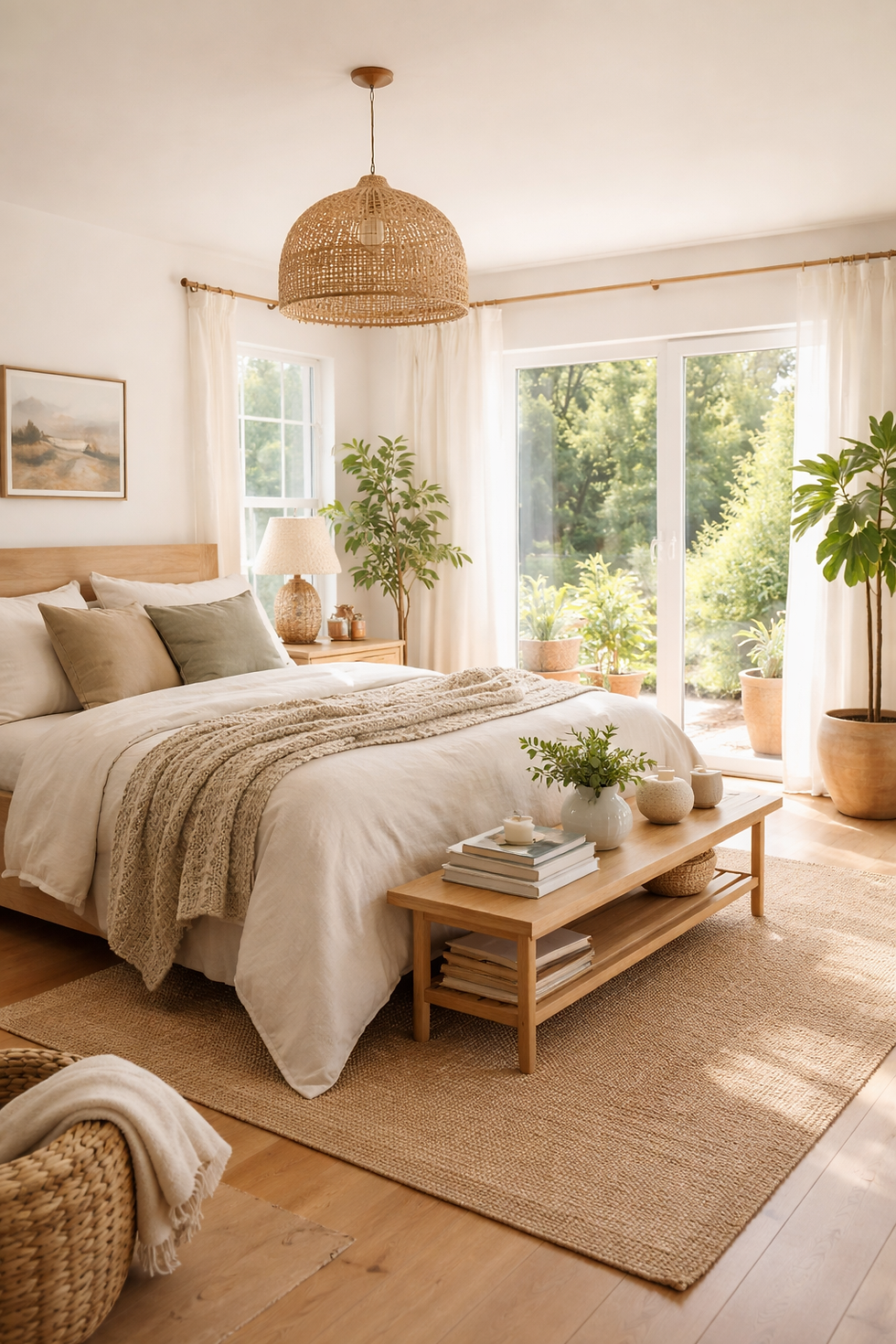
Research in environmental psychology shows that physical spaces directly influence mood, stress levels, focus, and long-term health outcomes. For example, chronic exposure to visual clutter has been linked to elevated cortisol levels, while consistent poor lighting can disrupt circadian rhythms, leading to sleep disturbances and hormonal imbalance. Overstimulating environments increase mental fatigue and reduce cognitive clarity.
On the other hand, spaces that incorporate:
Natural light
Calming color palettes
Organized visual fields
Personal artifacts with meaning
Sensory warmth through texture
…have been shown to reduce stress, improve creativity, and support emotional regulation.
When a home or work space remains out of alignment for too long, the toll is subtle but cumulative.
Irritability. Fatigue. Decision paralysis. Decreased motivation. Increased anxiety. The body interprets misalignment as a low-level threat. Now imagine living in a space that instead reinforces identity, clarity, and peace.
That is what we call emotional resonance.
Why So Many Environments Feel Disconnected
Many homes and workplaces are styled for approval rather than authenticity.
They reflect trends, social media, or resale value instead of the people living inside them. And while aesthetics matter, expression is what anchors identity. When your environment is overly neutral because you are afraid to choose color, when your walls are bare because you have not permitted yourself to be visible, when your furniture layout supports guests more than your own rest, you are subtly telling yourself that your needs are secondary.
Design is never neutral. It either affirms you or ignores you.
Three Practical Ways to Align Your Space With Your Inner Life
Here are some practical alignment practices that will improve your daily mood and life:
1. Conduct an Emotional Audit of Your Home (or Workplace)
Walk through each room and ask:
How do I feel in this space at the end of a long day? If there are rooms you rarely use, ask yourself why.
Does this room energize me or drain me?
What part of my identity is visible here?
If a room feels flat or emotionally neutral, it may lack representation of your story. Add one meaningful object, artwork, or color choice that reflects your values or heritage.
What to expect: increased emotional grounding and a stronger sense of ownership over your environment.
2. Choose Color Based on Energy, Not Trend
Color affects the nervous system. Blues and greens regulate, and warm neutrals soothe. Saturated tones energize, while excessive gray can flatten mood if overused. High contrast palettes can stimulate but also exhaust if unbalanced.
Instead of asking what is trending, ask:
What emotional state do I want to experience here?
Then design toward that.
What to expect: improved clarity, steadier mood, and spaces that support how you want to show up.
3. Create One Space That Is Entirely Yours
Even in shared homes, carve out one zone dedicated to your inner life.
Tap into what you enjoy to determine where your dedicated space should be. Consider creating spaces that support activities you enjoy or do frequently, such as a reading corner, a journaling chair, a prayer bench, a vanity, or a craft table.
What to expect: stronger self-awareness, greater creativity, and deeper peace.
Mindset Is the Catalyst
Elevated living does not begin with luxury purchases. It begins with permission.
Permission to prioritize yourself and to take up space. Permission to design a home that reflects who you are becoming.
Affluence, in its truest form, is not about spending more. It is about aligning resources with purpose. When your mindset shifts from maintenance to intentionality, your environment follows. As your environment improves, so does your capacity.
When to Seek Design Partnership Environment Should Reflect Who You Are
If reading this makes you realize that your home (or workplace) has not evolved alongside you, that awareness is a gift.
You do not need to redesign everything overnight. But you may benefit from strategic guidance that helps translate your inner life into physical form.
At Pamela Williams Interior Design, our approach through Conscious Resonance Design™ goes beyond decoration. We design environments that support emotional well-being, clarity, productivity, and relational depth.
If you are ready for a home that reflects who you truly are and supports who you are becoming, we invite you to book a complimentary discovery consultation and learn more about our Home Strategy Service.
Your environment should love you back.
And it can.


Comments